Game UX Research & UI Design Project

PURRCEL

A narrative puzzle-platformer exploring reflection, memory, and connection

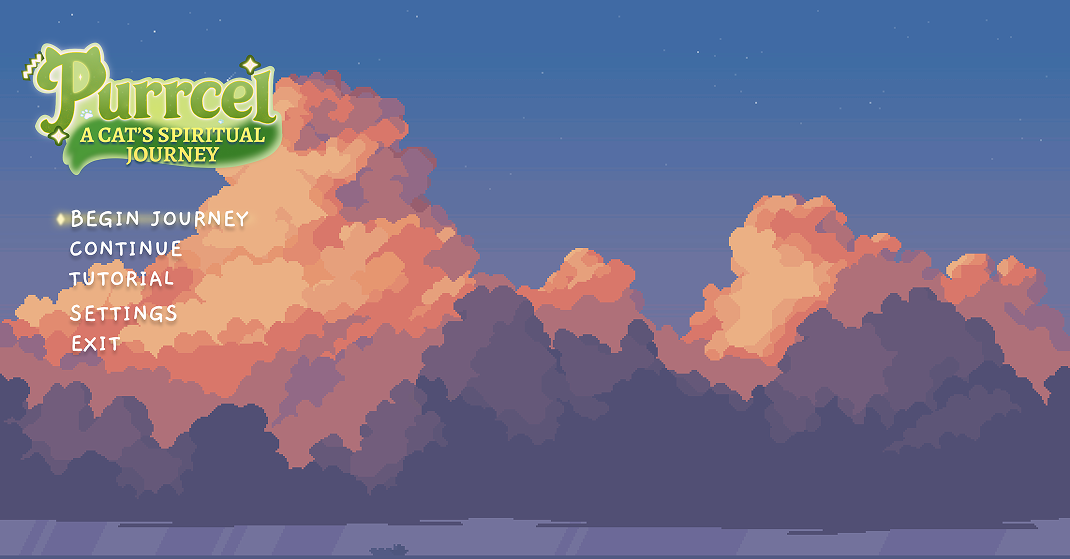
Purrcel home screen

Overview

Project Brief

Purrcel is a narrative-driven 2D puzzle-platformer that explores themes of grief, memory, and emotional healing through gentle gameplay. Players guide a spirit cat across a serene island, helping lost souls fulfill their final wishes and find peace.

The project was grounded in research on grief and how interactive experiences can provide emotionally safe spaces for reflection. With millions of people experiencing loss each year and limited access to traditional support systems, Purrcel explores how games can offer comfort, empathy, and moments of quiet connection through play.

My Role

Team Project (Ongoing)

I served as the UX Researcher, UX Designer, UI Designer, and Logo Designer on the Purrcel team.

I was responsible for leading player research, synthesizing qualitative insights, and translating emotional and behavioral findings into experience design decisions. My work included conducting ethnographic research, secondary research on grief and representation in games, creating personas and journey maps, building an influencer matrix, and planning accessibility considerations.

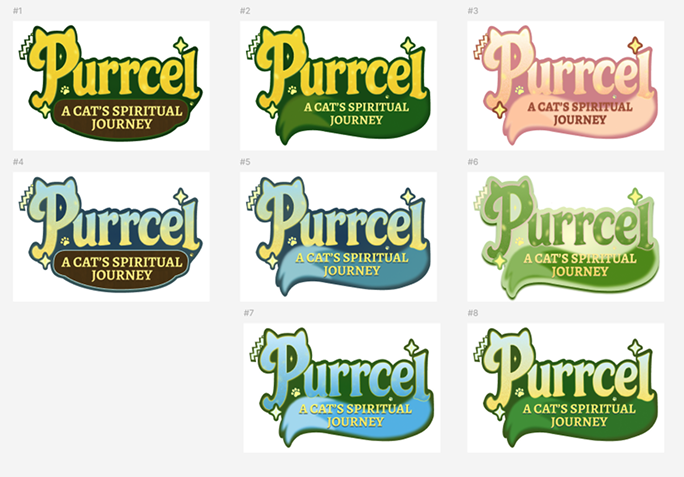
On the design side, I designed and iterated on core UI elements including dialogue boxes, tip and tutorial components, menus, and settings screens. I also led the logo design and visual identity iterations, incorporating feedback from teammates and playtesters to ensure the interface and branding supported the emotional tone.

This role will continue as the project moves into its next development phase.

The Outcome (Current State)

The current outcome of this project is a bare-bones but fully playable Unity prototype that establishes the core mechanics, narrative tone, and interaction patterns of Purrcel.

Early playtesting and usability sessions show strong emotional engagement, curiosity-driven exploration, and positive reactions to the game’s pacing and visual tone. UI and interaction design refinements have improved clarity, readability, and player comfort during emotionally sensitive moments.

While the game is still in development, this phase validated the foundational experience and provided clear direction for future iteration.

The Purpose of PURRCEL

Grief is universal, yet often unsupported. In the U.S. alone, over 2.5 million people die each year, leaving behind an average of five grieving individuals per death. An estimated 4–15% of bereaved adults develop Prolonged Grief Disorder, often linked to emotional suppression and avoidance. Research shows that games can support emotional processing by offering agency, escapism, and psychologically safe environments.

This research framed Purrcel not as a solution to grief, but as a gentle, supportive space where players can reflect at their own pace.

Target Players

Purrcel was designed for:

  • Players ages 10 and up
  • Individuals who have experienced grief or emotional loss
  • Casual and reflective players seeking calm, meaningful gameplay
  • Cat lovers and players drawn to emotionally driven narratives

Research & Validation

Research Summary

To design a meaningful and emotionally supportive game experience, I conducted a mixed-method research study focused on grief, emotional processing, and player experience in narrative-driven games.

Primary research included usability testing and exploratory playtesting of an early Unity prototype using think-aloud methods. Secondary research focused on grief psychology, prolonged grief disorder, and how interactive media can support reflection and emotional safety. Together, this research helped shape how Purrcel’s mechanics, UI, and narrative pacing support players emotionally rather than overwhelm them.

Methods used

  • Secondary research on grief, prolonged grief disorder, and emotional processing
  • Competitive and comparative analysis of narrative and “cozy” games
  • Persona development
  • Player journey mapping
  • Task-based usability testing
  • Exploratory playtesting with think-aloud protocols
  • Observation coding focused on emotion and behavior

Key Findings

Emotional clarity is as important as mechanical clarity

Players felt more comfortable and engaged when narrative intent, goals, and emotional tone were clearly communicated through dialogue and UI cues.

UI strongly impacts immersion

When UI elements felt visually heavy or poorly timed, players were pulled out of the experience. Subtle, contextual UI supported immersion and emotional presence.

Feedback builds player confidence

Clear feedback reduced hesitation and encouraged experimentation, especially during emotionally sensitive moments.

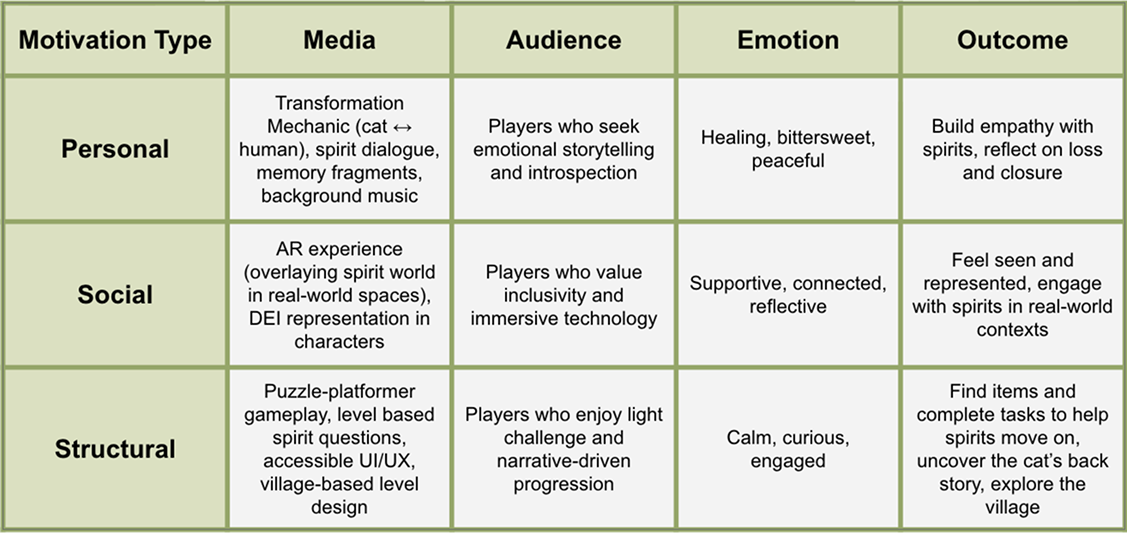
Influencer Matrix

To align the team around a shared vision for player experience, I created an influencer matrix that mapped key emotional, narrative, mechanical, and UX influences across comparable games, media, and design patterns.

This matrix helped clarify how tone, pacing, interaction style, and emotional weight should be expressed consistently across gameplay, UI, and narrative design. It became a reference point for evaluating design decisions throughout development, ensuring that features supported the intended reflective and calming experience rather than conflicting with it.

Influencer matrix for Purrcel

Personas

Three personas were developed to represent different player motivations and emotional needs.

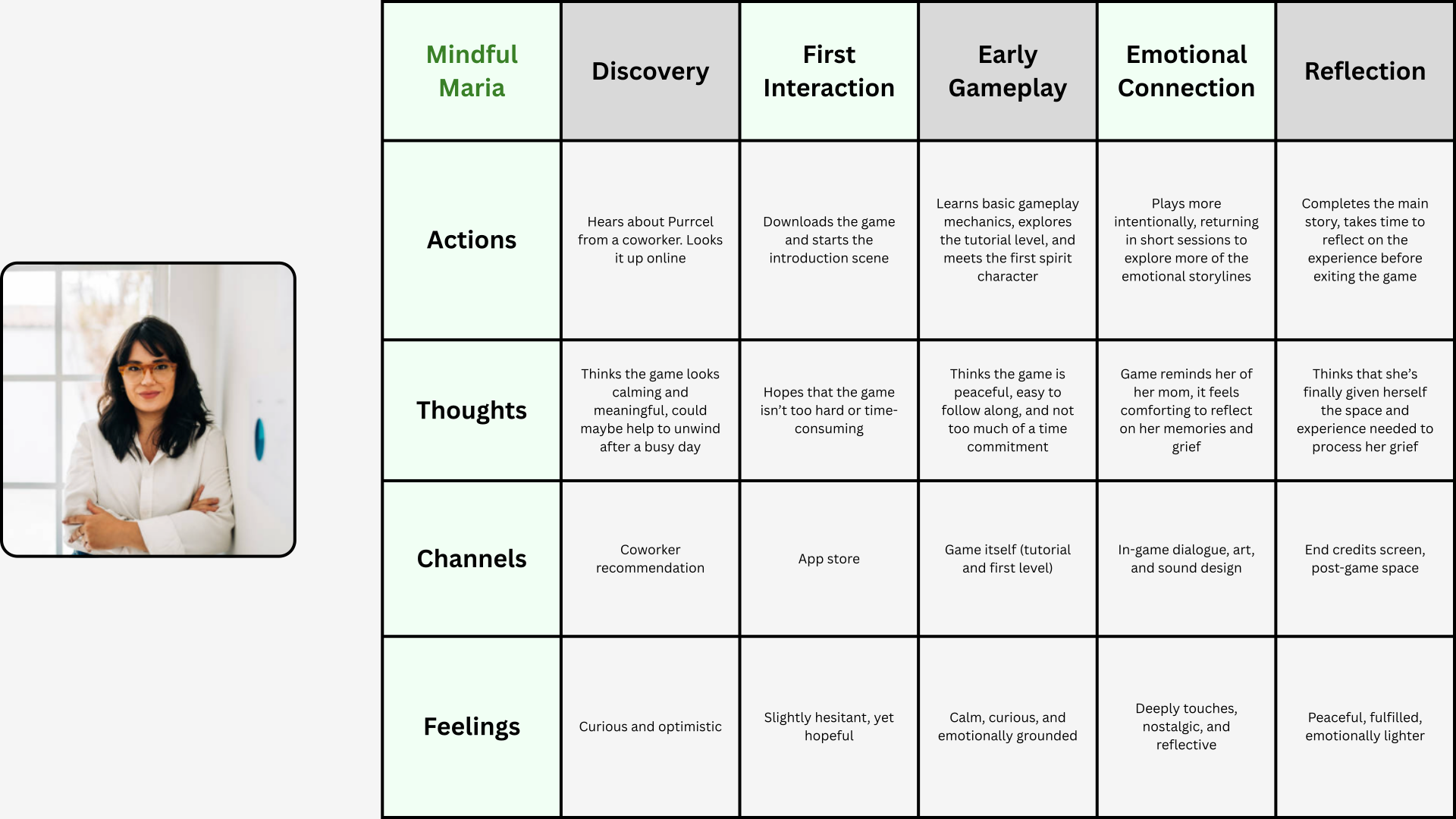
Mindful Maria

School counselor, mother of two

Persona photo: Mindful Maria

Maria navigates a busy life with work, family, and personal responsibilities. She recently lost her mother and rarely has time to herself to process her grief.

Needs

  • Clear emotional and narrative guidance
  • Gentle pacing and low-pressure gameplay
  • Subtle UI that does not interrupt immersion

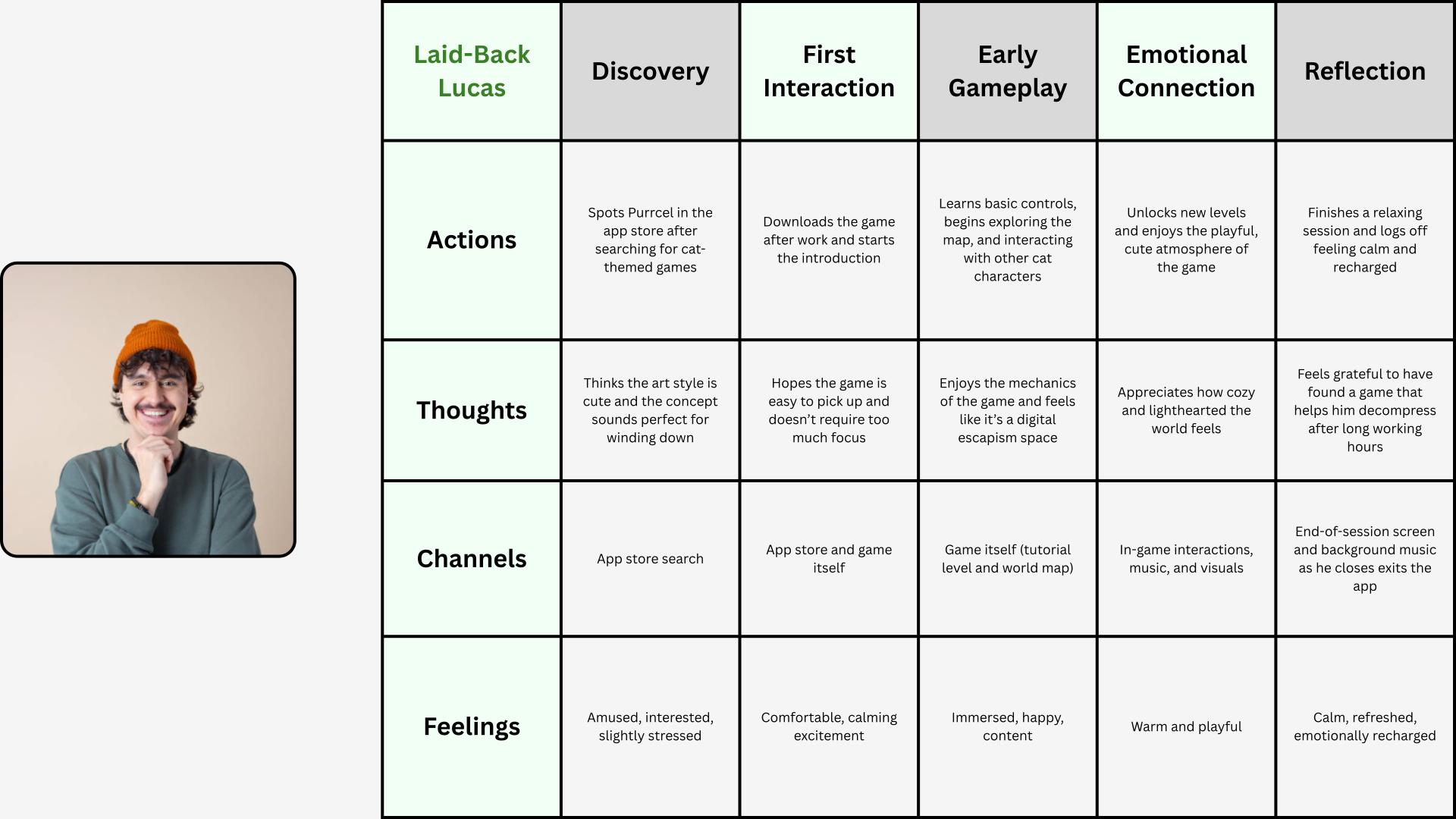
Laid-Back Lucas

Freelance designer, cat dad of three

Persona photo: Laid-Back Lucas

Lucas loves unwinding with relaxing, cute games after work. As a cat dad, anything with cat characters catches his eye.

Needs

  • Intuitive interactions with minimal instruction
  • Clear visual cues over text-heavy tutorials
  • Freedom to explore without constant interruption

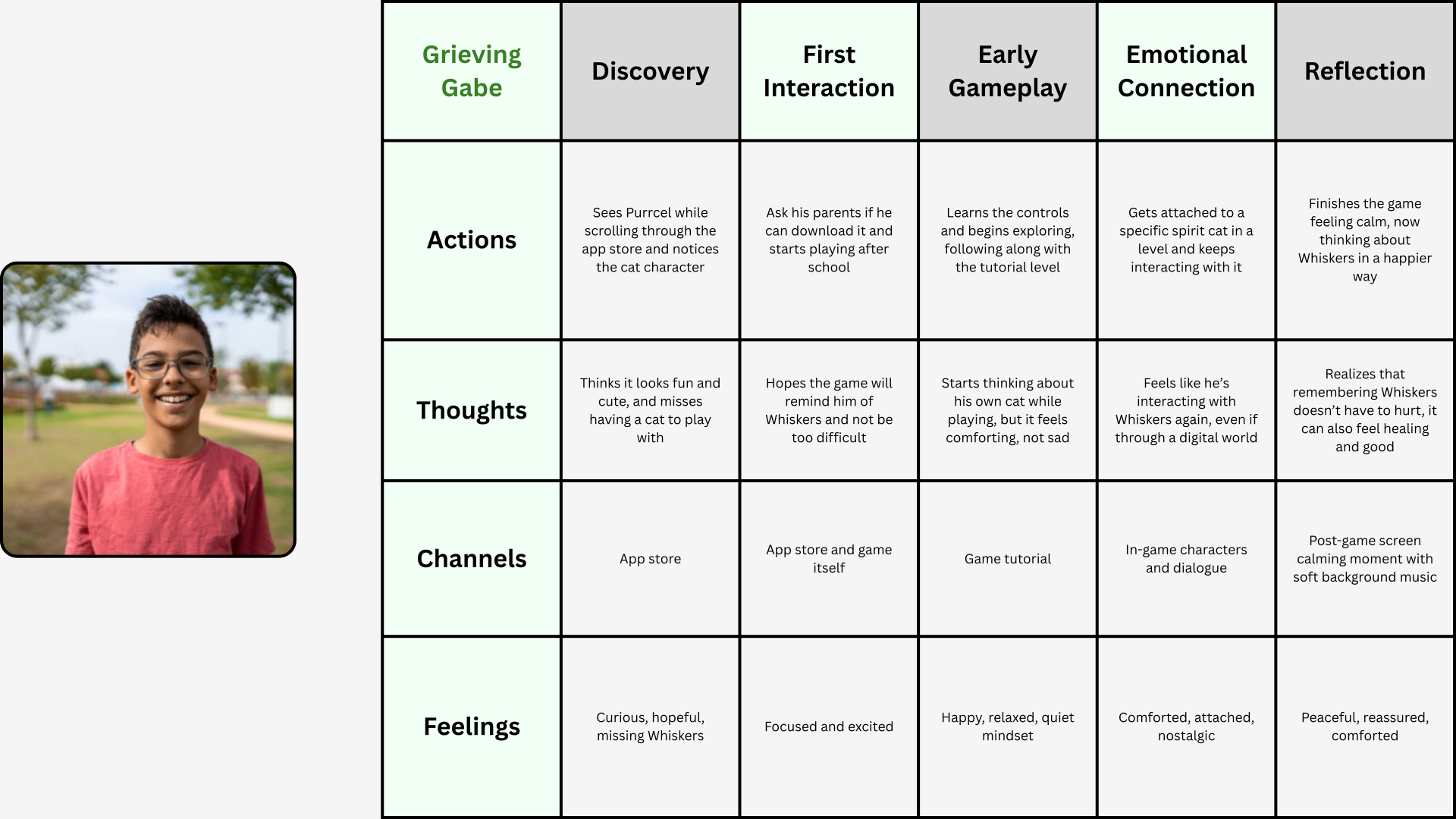
Grieving Gabe

Middle school student

Persona photo: Grieving Gabe

Gabe recently lost his family cat, Whiskers. He misses having a pet to cuddle and play with, and sometimes feels sad but isn’t sure how to handle it.

Needs

  • Emotionally supportive pacing
  • Clear narrative transitions
  • UI that preserves immersion and tone

Journey Mapping

Player journey maps were created to visualize emotional highs, lows, and friction points throughout gameplay.

Across all journeys, the most critical moments occurred during onboarding, narrative transitions, and moments of loss or resolution. Confusion or information overload during these moments risked breaking immersion and emotional connection.

Journey map: Mindful Maria Journey map: Laid-Back Lucas Journey map: Grieving Gabe

UI Design System

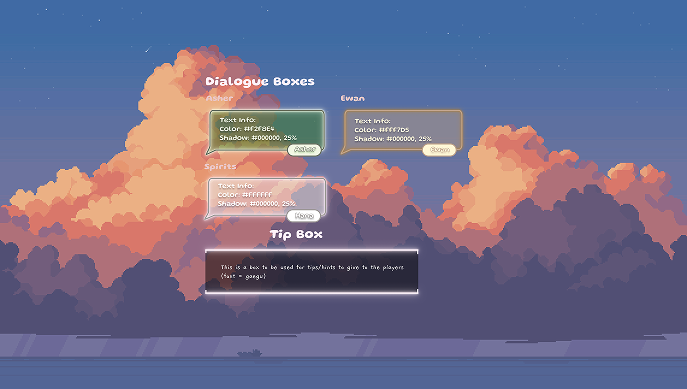
I designed and iterated on Purrcel’s in-game UI with a focus on emotional tone and minimal disruption to immersion.

Dialogue System

The dialogue UI uses a soft glow and light visual texture to create a sense of magic and impermanence, fitting the spirit world setting. Color choices help distinguish characters, with Asher’s grounded green palette reflecting his connection to the physical world.

Dialogue system UI
Pause screen UI

Pause Screen

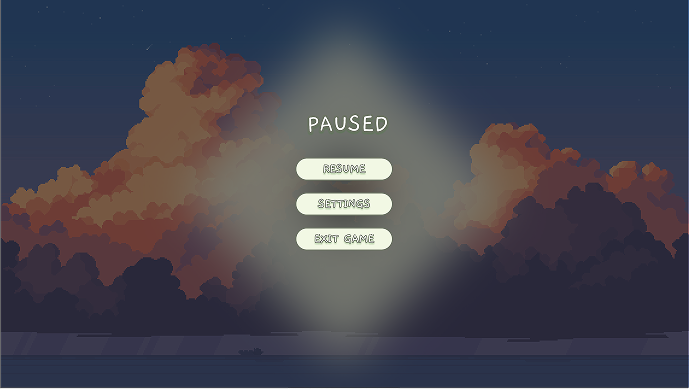
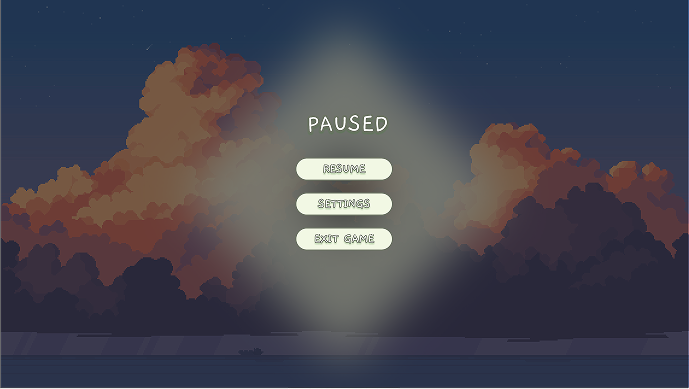
The pause screen applies a darkened overlay to the game environment, signaling a clear shift in state while maintaining immersion. This approach allows players to pause without feeling disconnected from the emotional tone of the scene.

Settings Screen

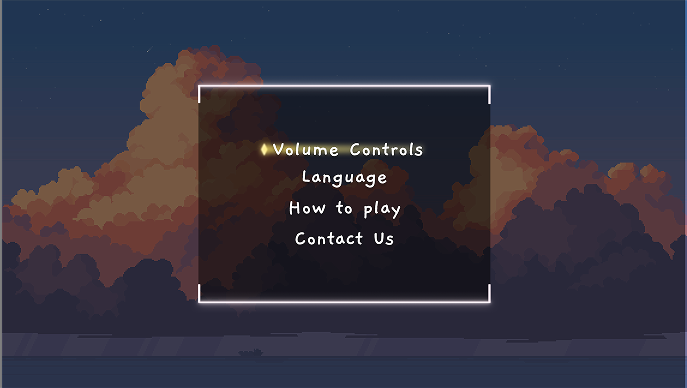
The settings screen is intentionally minimal and distraction-free, prioritizing clarity and ease of navigation. A simplified layout helps players quickly adjust preferences without breaking gameplay flow.

Settings screen UI
Audio settings UI

Audio Settings

Audio controls use a sparkle-based slider that feels tactile and playful while remaining easy to manipulate. This interaction reinforces the game’s magical atmosphere and gives players intuitive control over sound without relying on traditional UI metaphors.

Accessibility & Inclusive Design

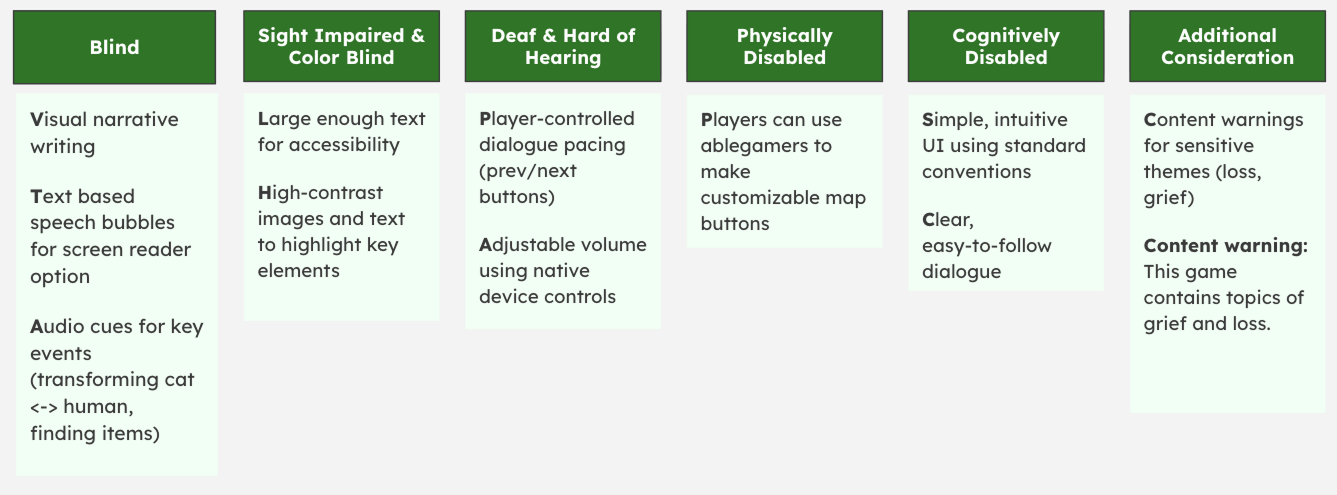
Accessibility was a core consideration throughout the project, particularly given the emotionally sensitive subject matter.

I developed an accessibility plan that addressed:

  • readable text sizes and high-contrast UI
  • player-controlled dialogue pacing
  • audio cues paired with visual feedback
  • clear labeling and intuitive navigation
  • content warnings for themes of grief and loss

These considerations helped ensure that Purrcel remains accessible, respectful, and emotionally supportive for a wide range of players.

Accessibility and inclusive design plan overview

Playtesting (DIG @ MSU)

Playtesting was conducted during a Diversity in Games (DIG) event at Michigan State University, where the game was tested with 8 MSU students in a live, exploratory setting.

The goal of this round of playtesting was to evaluate navigation, clarity, and player understanding before introducing full visual art, allowing feedback to focus on mechanics, spatial awareness, and goal comprehension.

Players interacted with a minimal version of the game and were encouraged to think aloud while exploring.

Key Findings

  • Players sometimes struggled to switch between human and cat forms
  • Navigation across multiple map areas was confusing
  • Several players had difficulty locating the exit or Hana
  • Some uncertainty existed around the overall goal of the game

Despite these issues, engagement remained high. Players expressed enjoyment and nostalgia.

This indicated that while clarity needed improvement, the core gameplay loop was engaging and worth refining.

“I like this type of game; it reminds me
of some games I used to play as a kid.”

User Testing

In addition to playtesting, I conducted user testing sessions focused on evaluating the game’s visual language, mood, and emotional communication.

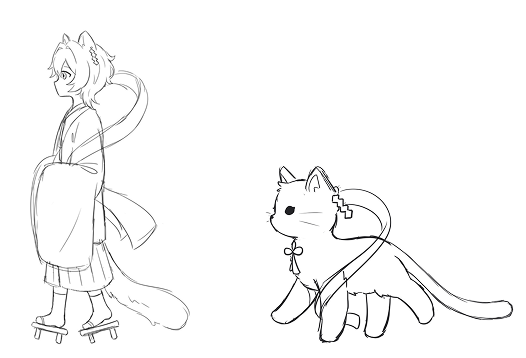
Participants reviewed character designs and environment art before playing the game, then shared impressions of how well the visuals conveyed tone and theme.

Key Findings

  • The art style was described as calm, cozy, and relaxing
  • Nature-inspired elements and green color palettes were especially well received
  • Visuals successfully communicated a peaceful atmosphere

However, while players understood the calming tone, they did not fully grasp deeper themes such as grief, reflection, or loss through visuals and gameplay alone. This insight highlighted the need for stronger narrative cues and environmental storytelling, which are planned for future iterations.

Character sketches used in user testing

Reflection & Next Steps

This project reinforced the importance of testing games at multiple levels, from mechanical clarity to emotional resonance. Early playtesting revealed navigation and goal-setting issues that could be addressed through iteration, while user testing highlighted opportunities to strengthen the narrative communication through art and storytelling.

Purrcel is an ongoing project. Next steps include expanding research beyond student populations by conducting user interviews and playtesting with individuals participating in grief counseling and support groups. These sessions will help evaluate how the game resonates with players who have lived experience with loss and ensure the experience remains respectful, supportive, and emotionally grounded.